Session 2 began with Prof clarifying the class' general perspective of the TWC class: that is we are not analysing the nitty gritty details on how a particular technology works but rather how this technology will affect our lives and therefore how are we going to cope with this change. I think it is extremely important to get this right from the start as it will help us better absorb our content and also enable us to be adequately prepared for class having this big picture in mind.
Some of the highlights that I have picked out during the lesson:
- With regards to the clarification made above by Prof, he brought up an example and that is Google glasses. What is important in the invention and availability of such a technology is how it will affect future privacy issues, the way we will socialise and obtain our information from rather than the specifications of the Google glasses. I think this puts everything into context.
- How societies have evolved from hunting and gathering to agriculture to civilization and finally industrialization
- Big Bang Theory by Barenaked Ladies "It all started with a big bang!"
- What does it mean to have "global dominance"?
- Reactions to colonialism
- Two wonderful presentations on global dominance by classmates Joy and Adeline on the mobile phone industry and McDonald's respectively
- Progressiveness in human development (video 1 of session 2B), the Millennium Development Goals (video 2 of session 2B), GNH (video 3 of session 2B)
- Another two fantastic presentation that had a lot of oppsing views by Amol and Alson on genetic screening and the future of mankind
Interesting Observations & Ideas/ Key Take away points:
- The Shahi Organizational Behaviour Model for Identifying Innovation Leaders and Dominant Players was one of the most interesting and greatest take away for me in this session. I had the chance to view the slides prior our lesson on Monday and it looked like any model, and may I also add a "common sense" one, that I had seen before whether it was during my time doing Leadership and Team Building (LTB) or during motivational talks outside I had attended. What was so "common sense" to me before totally changed when Prof explained this model on the characteristics on how companies get their prestige and how others fall from their top spot. This tipping point of it all was their attitude towards change and adaptability. It was a very intriguing model that I spent some time outside of class reflecting my own attitude in life as well because I may be a person who is uncomfortable with change and new environments but I realise it is during these trialling times that allowed me to thrive and become a person I never thought I could be. I would definitely want to continue to be a "rising star" for as long as possible. I feel that Joy's presentation on the global dominance in the mobile phone industry, zooming into the case study of Nokia ties this concept in very nicely as we could see for ourselves how the fall of Nokia was due to many of the concepts Prof shared in this model
- Yet on the other hand, even stars do die over time and I am curious if this is a part and parcel of life. What comes up must go down so that new players in the market or new leaders in an organisation have a chance to take the hot seat. If a company were to always be on top as a dominant player in the industry, would they then monopolise the industry? Similarly, can a person stay on top as a dominant player forever? Something else for me to think about as well
- Another interesting observation was the reaction the class had on colonialism. I agree with Prof as to the colonial master actually did more harm than good for their colonies in general whereas I seem to gather that the class' feel that colonialism did more good than harm! I had the privilege of studying the history of Southeast Asia in JC and I could see the effects that was left my colonialism even up to today. An example on this would be Myanmar's unstable political scene after the assassination of Aung San therefore leaving the country in chaos after the umpteen rejection by the British to grant then Burma its independence first from India then from the British. Indeed, the colonies were merely seen as a place whereby their masters could extract resources for their own benefits as seen from the light hearted song "British Things" in the video of the History of Great Britain shown in class.
- To me, this shows how one issue always has two opposing views and it is important to be aware of these before taking a stand or making a decision. This brings back to the point on technology where we have to be able to accurately discern what a particular technology can do for us and put it to our advantage but also know of the negative consequences it might bring hence minimizing them to the lowest.
- In the second portion of the session, we now focused on technology and human development, we were shown three videos mentioned in the summary of the class above. I enjoyed watching all three videos as I am more interested in this aspect of technology.
- Video 1 showcased Han Rosling explaining to us in the aspect of time, how countries grew in their wealth and health. I found Rosling's presentation style very interesting as it involved both visual and auditory aids that allowed me to see the situation clearly. It was very evident how the countries that rose up to the top of the graph were mainly colonial masters whereas those that were left behind were mainly colonies. It was also very evident how after WWII, used-to-be colonies that now had the mandate to rule were prospering much quicker and this ties in with the reading on colonialism and how it is true that the colonies were better off without their colonial masters. Something that made me ponder was is there ever a time where everyone achieved equality and all the countries are able to reach the highest point in the wealth and health graph? Would that be achieved under the capitalist system?
- Video 2 therefore talked about the MDG that UN hopes to achieve by the year 2015 which is only one year from now. My first thought upon viewing this video was a sense of doubt as some of the goals stated were really quite ambitious. I therefore looked up on the current status of the MDG goals (as of 2013) and find it heartening that while some goals such as environmental sustainability, maternal deaths and education for the young still need a lot more work, there are other areas that have significantly improved. This thus show that under the capitalist system, disparity between the rich and the poor can still be reduced. However, are people willing to sacrifice a portion of their own growth in terms of their resources, time, etc to help others grow as well?
- Video 3 on Bhutan's GNH was also very inspiring and reminded me to achieve balance in my life as well. A short summary of the video: How the Forth Dragon King balanced economic development of Bhutan with the emotional and spiritual wellbeing of the people. This was one of the topics I shared with my mom as I pre-warned her on my probable absence during the upcoming Chinese New Year celebrations as that week being week 4/5 of school and also the time when submission deadlines start drawing nearer. She told me that while it is important to do my best for my studies, family gatherings should not be made a sacrifice. Chinese New Year being one of the more important, if not most important, festivals where family members are able to gathering together to catch up and maintain relationships with one another after a long year of striving. I will therefore have to put myself in the Forth Dragon King of Bhutan's shoes these upcoming few weeks and try my best to achieve work-life balance just as how the Forth Dragon king managed to balance economic growth with GNH so that I do not sacrifice the important family time during the CNY break *zen mode*
- Both Amol and Alson's presentations were very fresh to me as I rarely explore these aspects on technology. While Amol's presentation created many controversy responses during class, I think it is ultimately up to an individual to decide for their child whether they want to go ahead and proceed on with genetic modification. A question that I wanted to ask was if in the most ideal situation where everyone, rich or poor, is able to genetically modify their child would the selected traits be the same from each other? Would there be a trend difference in the kinds of traits parents choose for their child? If not, then wouldn't everyone be like robots, possessing the same kinds of strength, intelligence, beauty, personality, etc? How will this then affect the world if we lived in such a place?
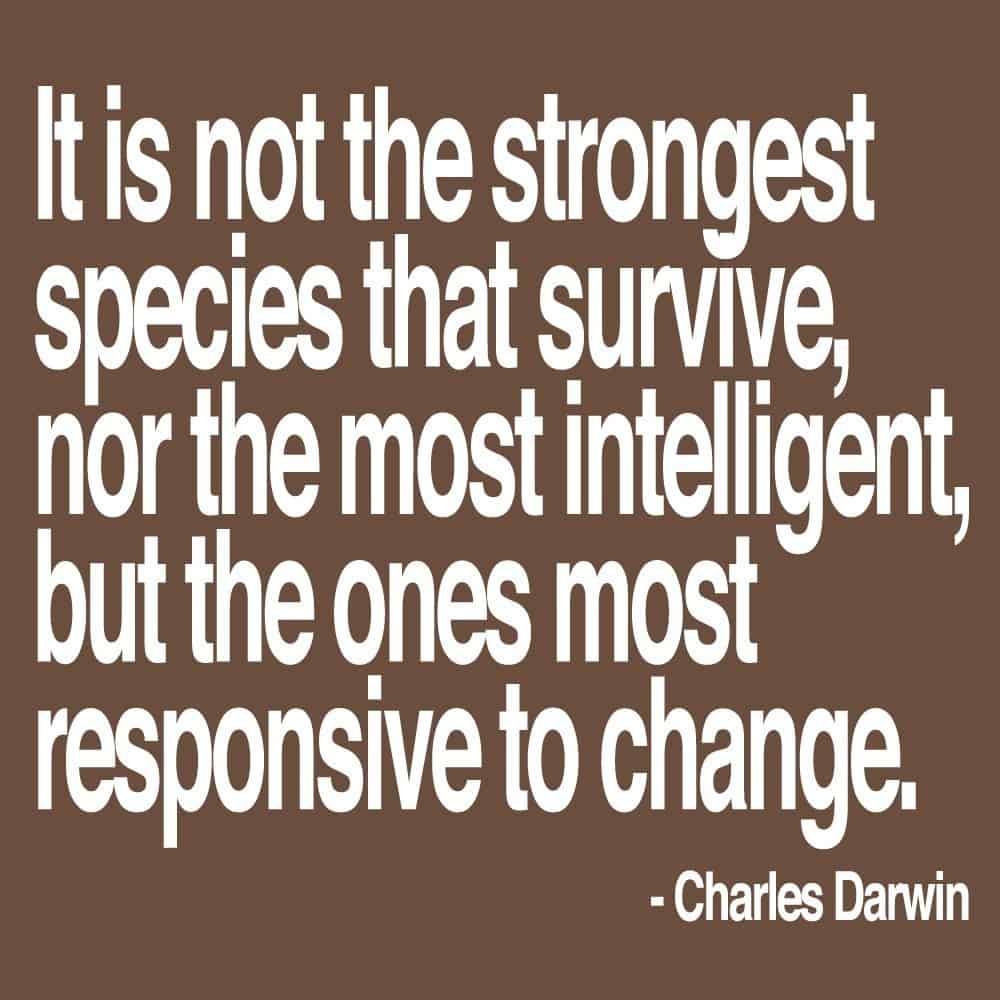
- Another take away to me was when Prof mentioned a quote by Darwin and the kinds of response after this quote was mentioned. I think this greatly reflects the kind society we are living in today where people are willing to go to all sorts of length to change themselves to suit the environment (eg. the ideal standard is to achieve straight A+ in school and obtain a perfect score of 4.3 GPA therefore I will do anything - change my genes to become "smarter" etc to achieve it) instead of seeing how unique everyone is and playing on our strengths (becoming adaptable and responsive to change). I admit it is hard to see how "good" I am when society has already defined what is good and sometimes even after trying our best, it is still not enough. I think it is high time we reflect on our own definition of success and why do we have the tendency to follow society's definition of success. Although this is not technology or the main gist of Alson's presentation, I still feel strongly on voicing my opinion after Prof mentioned this quote.
Personal Rating for the Session:
I would give this session a 8/10 as I thoroughly enjoyed the wide spectrum of things we have discussed and am looking forward to next week's session. I love seeing not only how technology is being discussed in context but also how we can use it to apply to other aspects of life. Thanks Prof & G17 for a wonderful session!

No comments:
Post a Comment